WiFi Mesh — radio coverage capability
Whole-site WiFi coverage. Self-healing. Self-tuning.
Local AP-to-AP mesh, WiFi HaLow for long-range IoT, AI-driven band steering. The radio side of the network. Site-to-site overlay-network mesh is its own product — see Meshnode.
Three radio technologies
Standard WiFi. Long-range WiFi. Smart band steering.

Self-Healing WiFi Mesh
Self-healing local mesh. APs discover each other automatically. If one AP fails, traffic reroutes in milliseconds. No controller needed.

WiFi HaLow (802.11ah)
Sub-GHz long range. 1-3 km per link. 8,000 devices per AP. For outdoor sensors, agriculture, and industrial IoT where standard WiFi cannot reach.

Multi-Band Steering
AI steers each client to the right band (2.4 GHz, 5 GHz, 6 GHz). Heavy clients to 5/6 GHz, IoT to 2.4 GHz. Automatic, per-client, per-second.
Enterprise mesh features.
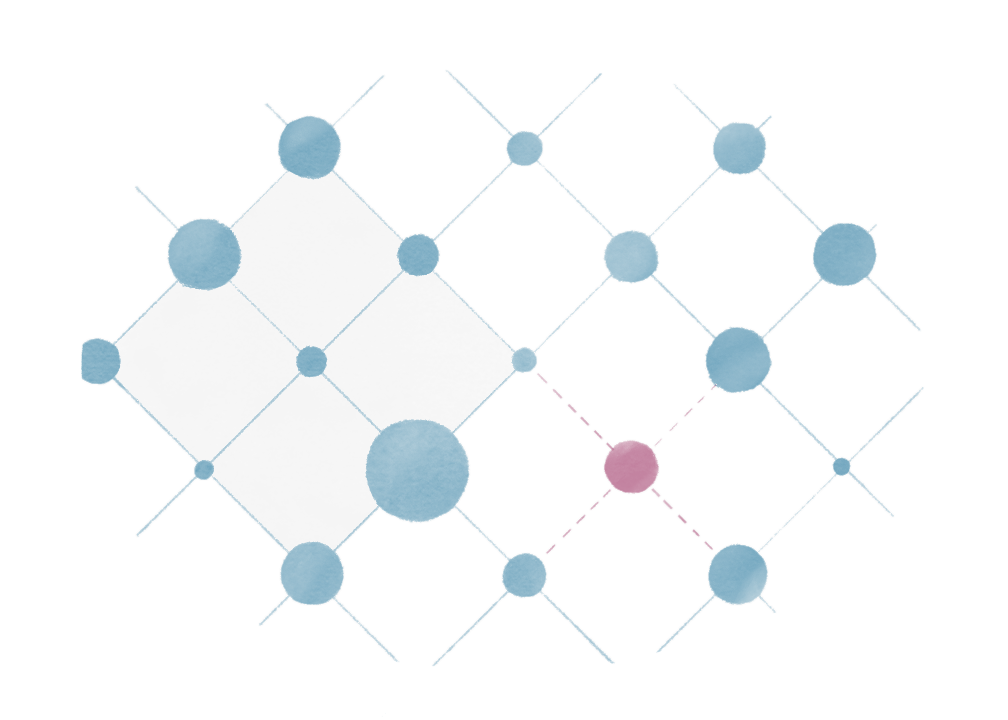
Self-Healing Topology
When a node goes down, traffic automatically reroutes through remaining nodes. No manual intervention. No downtime for users.
Zero-Config Discovery
New nodes discover the mesh automatically. Plug in, power on, connected. No IP addresses to configure, no VPN keys to exchange.

802.11k/v/r Roaming
Seamless client handoff between APs. Sub-50ms transition. Medical scanners, VoIP calls, video streams continue uninterrupted.
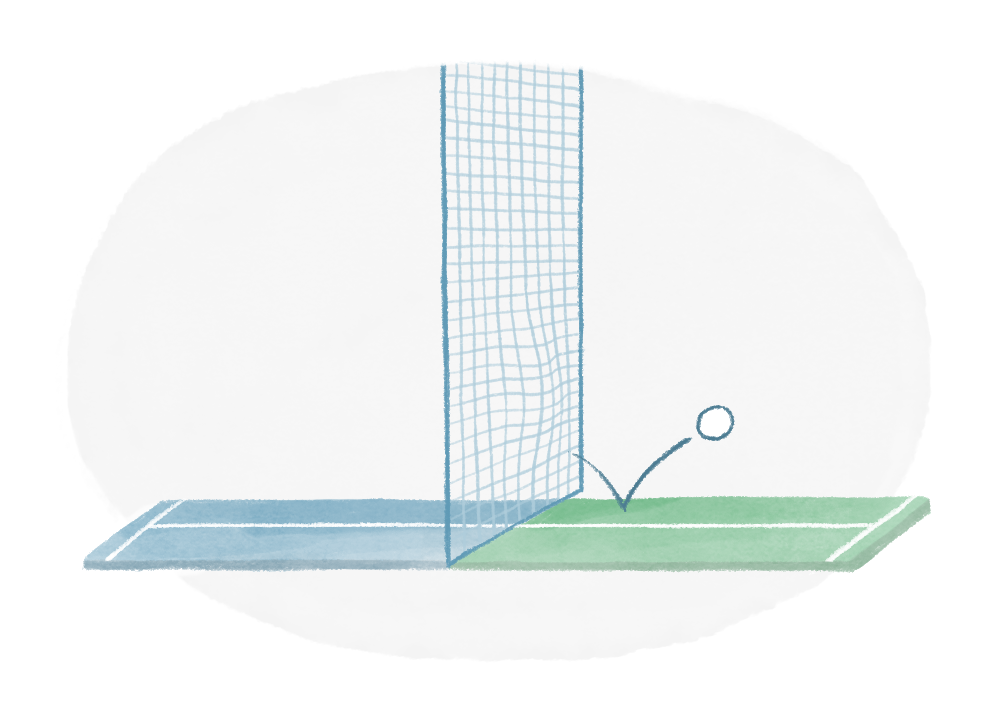
Multi-Band Steering
AI steers clients to the optimal band (2.4GHz, 5GHz, 6GHz). High-bandwidth devices on 5GHz, IoT on 2.4GHz. Automatic.

Encrypted Backhaul
All mesh traffic is encrypted. WPA3 on client-facing radios, WireGuard on backhaul. No unencrypted hops.
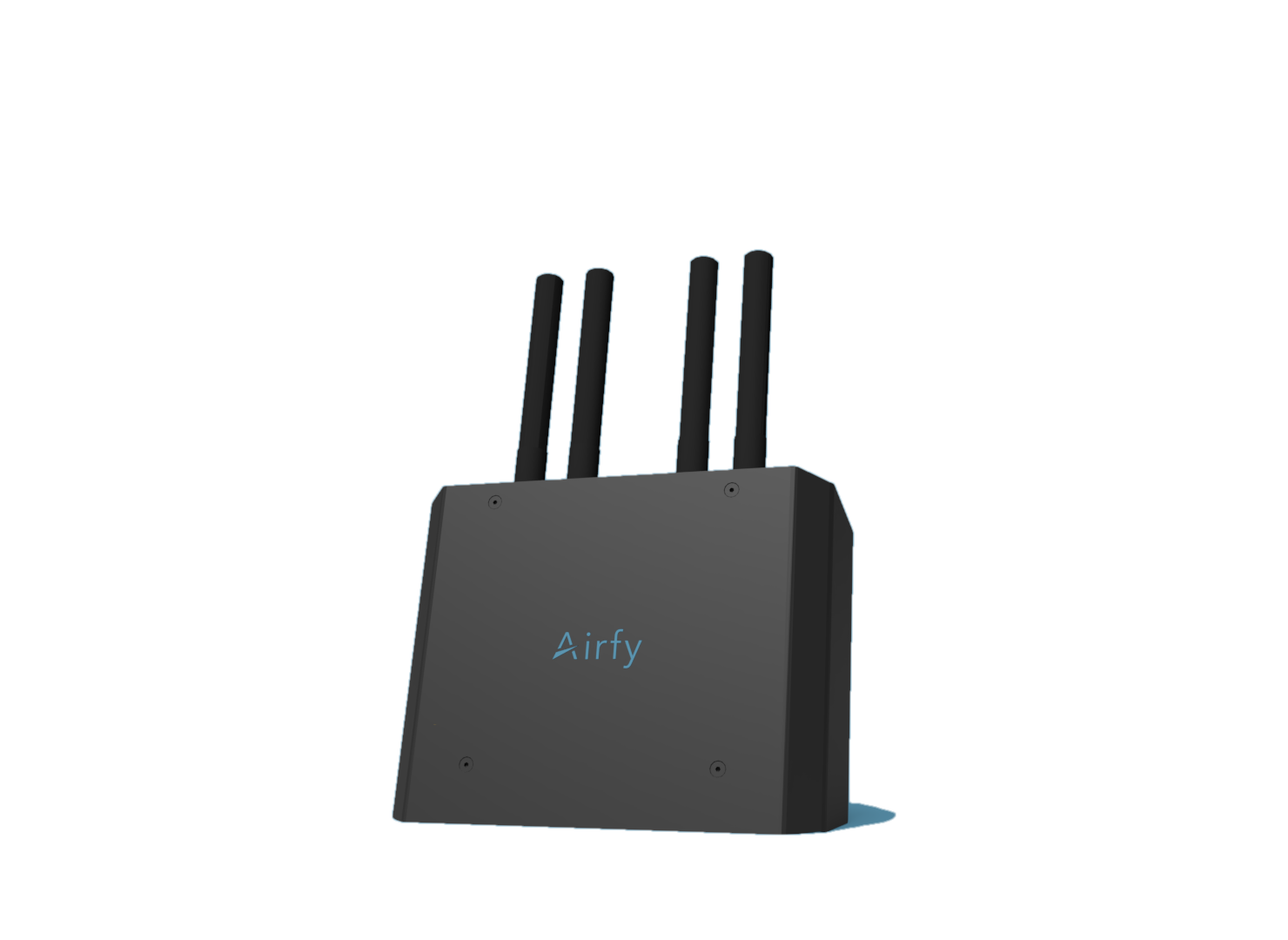
Mixed Indoor/Outdoor
Indoor APs mesh with outdoor units. Airfy industrial boards for harsh environments. One mesh, multiple form factors.
Mesh WiFi FAQ
Zero dead spots. Zero configuration. Zero downtime.
Self-healing mesh with AI management. Indoor, outdoor, long-range. One network.